




Creating a relaxing home office environment is essential for maintaining focus, reducing stress, and boosting overall productivity. Whether you’re working remotely full-time or occasionally need a quiet spot to tackle tasks, your workspace should feel comfortable and inviting. In this blog post, we’ll explore practical tips to help you design a home office that supports both your work and your well-being.
Why a Relaxing Home Office Matters
Working from home comes with many advantages, such as flexible schedules and no commute, but it also presents challenges. A cluttered or uncomfortable office space can increase stress and decrease motivation. By creating a relaxing environment, you are more likely to stay focused, enjoy your work, and prevent burnout.
Choose the Right Location for Your Workspace
The foundation of a relaxing home office starts with location.
– Find a quiet area: Choose a spot with minimal distractions to help you concentrate.
– Seek natural light: Position your desk near a window if possible, as sunlight can improve mood and energy.
– Consider privacy: If you share your home, look for a room or corner where you can close the door or set physical boundaries.
Invest in Comfortable and Supportive Furniture
Your furniture plays a big role in how relaxed you feel during work hours.
– Ergonomic chair: Choose a chair that supports your posture, with adjustable height and good lumbar support.
– Desk size: Pick a desk large enough for your essentials but not so big it feels overwhelming.
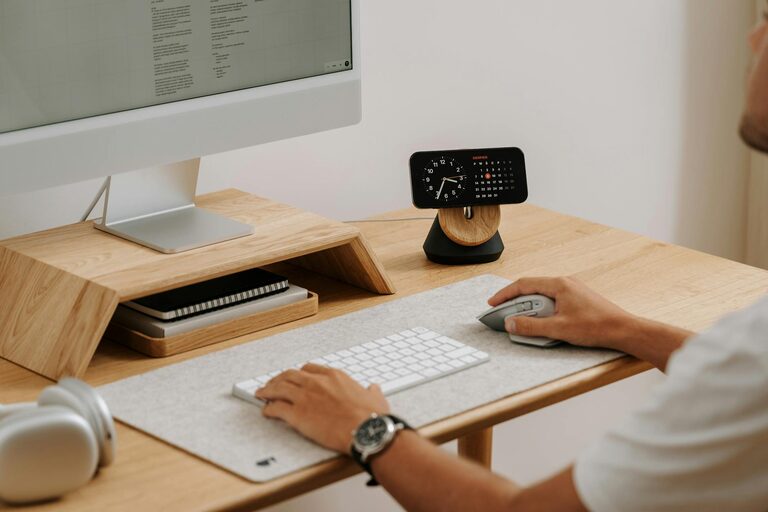
– Footrest and monitor stand: Small additions like these can make your setup more comfortable and reduce strain.
Keep Your Space Organized and Clutter-Free
A tidy workspace helps clear the mind and enhances focus.
– Use storage solutions: Shelves, drawers, and organizers keep supplies within reach but out of sight.
– Develop daily habits: Spend a few minutes at the end of each day to put things away and prepare for tomorrow.
– Limit unnecessary items: Keep decorations and gadgets minimal to avoid distractions.
Incorporate Calming Colors and Personal Touches
Colors can influence your mood, so choose hues that promote relaxation.
– Soft neutrals and pastels: Shades like light blue, green, or beige create a soothing backdrop.
– Textures and plants: Adding a soft rug, cushions, or a few potted plants brings warmth and life to your space.
– Meaningful decor: Display personal photos or inspiring quotes to keep motivation high without crowding your desk.
Manage Lighting Effectively
Good lighting reduces eye strain and sets the tone for your office.
– Natural light first: Maximize daylight to keep your workspace bright and cheerful.
– Adjustable task lighting: Use desk lamps with adjustable brightness and angles for focused work.
– Avoid glare: Position screens and lamps to minimize reflection and eye discomfort.
Maintain a Comfortable Temperature and Air Quality
Comfort impacts how long you can work without feeling fatigued.
– Control temperature: Use fans, heaters, or air conditioning to maintain a moderate room temperature.
– Ventilate regularly: Open windows or use an air purifier to keep fresh air circulating.
– Add greenery: Plants can improve air quality and create a peaceful atmosphere.
Establish Boundaries and Routine
To truly enjoy your relaxing home office, setting boundaries is key.
– Define work hours: Create a schedule that helps separate work time from personal time.
– Take breaks: Step away from your desk for short breaks to stretch, hydrate, or relax.
– Signal transitions: Use rituals like turning on a lamp or playing soft music to indicate the start and end of work.
Incorporate Sounds that Promote Relaxation
While some silence is golden, certain sounds can enhance focus and calm.
– Play soft background music: Choose instrumental or nature sounds to create a soothing audio backdrop.
– Use noise-cancelling headphones: These can minimize distractions when needed.
Technology Tips for a Peaceful Environment
Managing your devices smartly supports a relaxed workspace.
– Organize cables: Use clips or hidden cable organizers to keep cords neat.
– Limit notifications: Turn off nonessential alerts to maintain concentration.
– Use apps for focus: Consider apps that play ambient sounds or help you track work intervals and breaks.
Final Thoughts
Designing a relaxing home office is all about creating a space that meets your needs and helps you feel comfortable and focused. By paying attention to lighting, furniture, organization, and personal touches, you can transform your work area into a calm haven that supports both productivity and well-being. Start with small changes and adjust over time until your home office truly feels like a place you enjoy spending your workday.



More Stories
Tips for Creating a Productive Home Workspace
Tips for Creating a Cozy and Productive Home Workspace
Tips for Creating a Cozy and Inviting Home Environment