




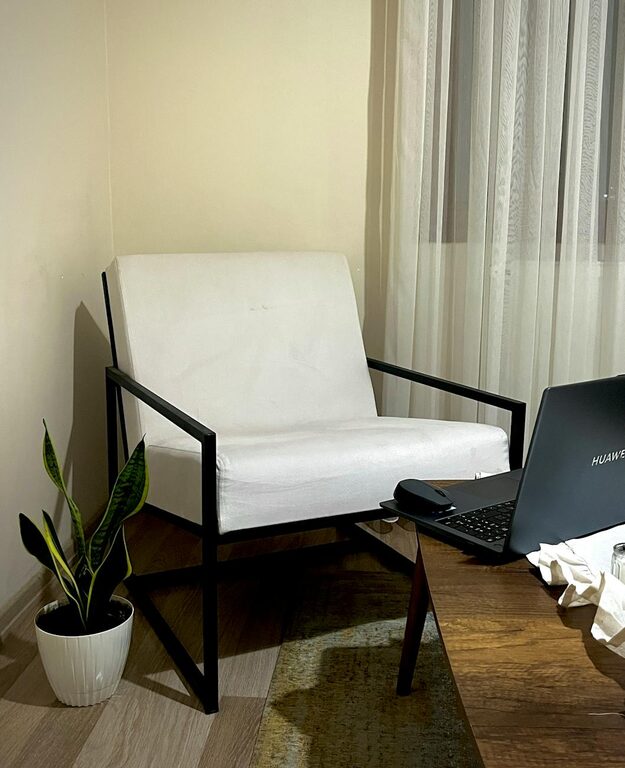
Creating a cozy and inviting home workspace can transform the way you work, making your days more enjoyable and productive. Whether you’re working remotely full-time or just need a comfortable spot to handle tasks, a well-designed workspace helps maintain focus and reduce stress. Here are some practical tips to help you set up a workspace that feels both inviting and efficient.
Choose the Right Location
Select a spot in your home that naturally fits your work needs. Ideally, this area should offer:
– Natural light: Position your workspace near a window to benefit from daylight, which can boost mood and reduce eye strain.
– Quietness: Find a quiet corner away from household noise to minimize distractions.
– Space: Ensure there’s enough room for your desk, chair, and essential equipment without feeling cramped.
If space is limited, consider multi-functional areas, such as a section of the living room or bedroom, and use room dividers to create separation.
Invest in Comfortable Furniture
Comfort is key for long hours at your desk. Choose furniture that supports good posture and reduces fatigue.
– Ergonomic chair: A chair with good back support and adjustable height helps maintain a healthy sitting posture.
– Desk height: Your desk should allow your arms to rest comfortably at a 90-degree angle.
– Flexible setup: If possible, try a sit-stand desk for varying your position throughout the day.
Adding a soft seat cushion or footrest can further enhance comfort.
Personalize Your Space
Make your workspace feel inviting by adding personal touches.
– Decor items: Use photos, small plants, or artwork to reflect your personality.
– Colors: Choose soothing colors that promote calm and focus. Soft blues, greens, or warm neutrals work well.
– Lighting: Include a desk lamp with adjustable brightness for late-night work sessions.
Personalization creates a space where you enjoy spending time, which can improve motivation.
Organize for Efficiency
A clutter-free workspace encourages clear thinking and productivity.
– Storage solutions: Use shelves, drawers, or organizers to keep supplies neat and within reach.
– Cable management: Employ clips or covers to keep cords tidy and prevent tangles.
– Daily cleaning: Spend a few minutes each day tidying your desk to maintain order.
Labeling storage bins or drawers also helps quickly find needed items.
Add Cozy Textures
Introduce elements that make your workspace feel warm and inviting.
– Rugs: A soft area rug can add warmth and define the workspace.
– Blankets or throws: Keep a light throw blanket handy for chilly days.
– Comfort items: Place cushions on your chair or have a small pillow for back support.
Textures create a sense of comfort that can reduce stress during busy days.
Incorporate Greenery
Plants bring life and fresh air into your workspace.
– Low-maintenance plants: Options like succulents, pothos, or snake plants are easy to care for.
– Air-purifying plants: Some plants help improve indoor air quality, which can boost concentration.
– Placement: Position plants near your desk but ensure they don’t crowd your workspace.
Caring for plants provides a relaxing break and can improve your mood.
Use Technology Wisely
Technology makes work easier but can also become distracting.
– Monitor setup: Use a monitor stand to keep your screen at eye level.
– Keyboard and mouse: Invest in ergonomic options to reduce strain.
– Headphones: Noise-cancelling headphones can help you focus if background noise is an issue.
– Minimize distractions: Turn off non-essential notifications and organize desktop icons.
Technology choices should support comfort and efficiency.
Maintain Good Air Quality and Temperature
Comfort includes the environment’s feel and freshness.
– Ventilation: Open windows regularly or use an air purifier.
– Temperature: Keep the room at a comfortable temperature to avoid discomfort.
– Humidity: Use a humidifier if the air is too dry, especially in winter.
A healthy environment supports longer, more focused work sessions.
Take Breaks and Move Around
Even the best workspace needs to encourage breaks.
– Stretching: Stand up and stretch every hour to reduce tension.
– Walks: Step away from your desk for a short walk or some fresh air.
– Separate spaces: If possible, have an area to relax that is separate from your workspace.
Regular breaks help maintain productivity and prevent burnout.
—
By putting these tips into practice, you can create a cozy, inviting home workspace that supports comfort and productivity. Remember, your workspace should be a reflection of you and make your working hours something you look forward to each day. Start small, adjust according to your needs, and enjoy the difference a thoughtful workspace can make!



More Stories